TCPM studentFrom the student testimonial video
ARTISTIC GROWTH
“Thought this was going to be like a piano technique class… But what this turned out to be was this whole growth as an artist.”Hear this moment · 2:07 ↗
Improvise beyond the page. Finish your own arrangements. Play—and record—music you’re proud to put your name on.
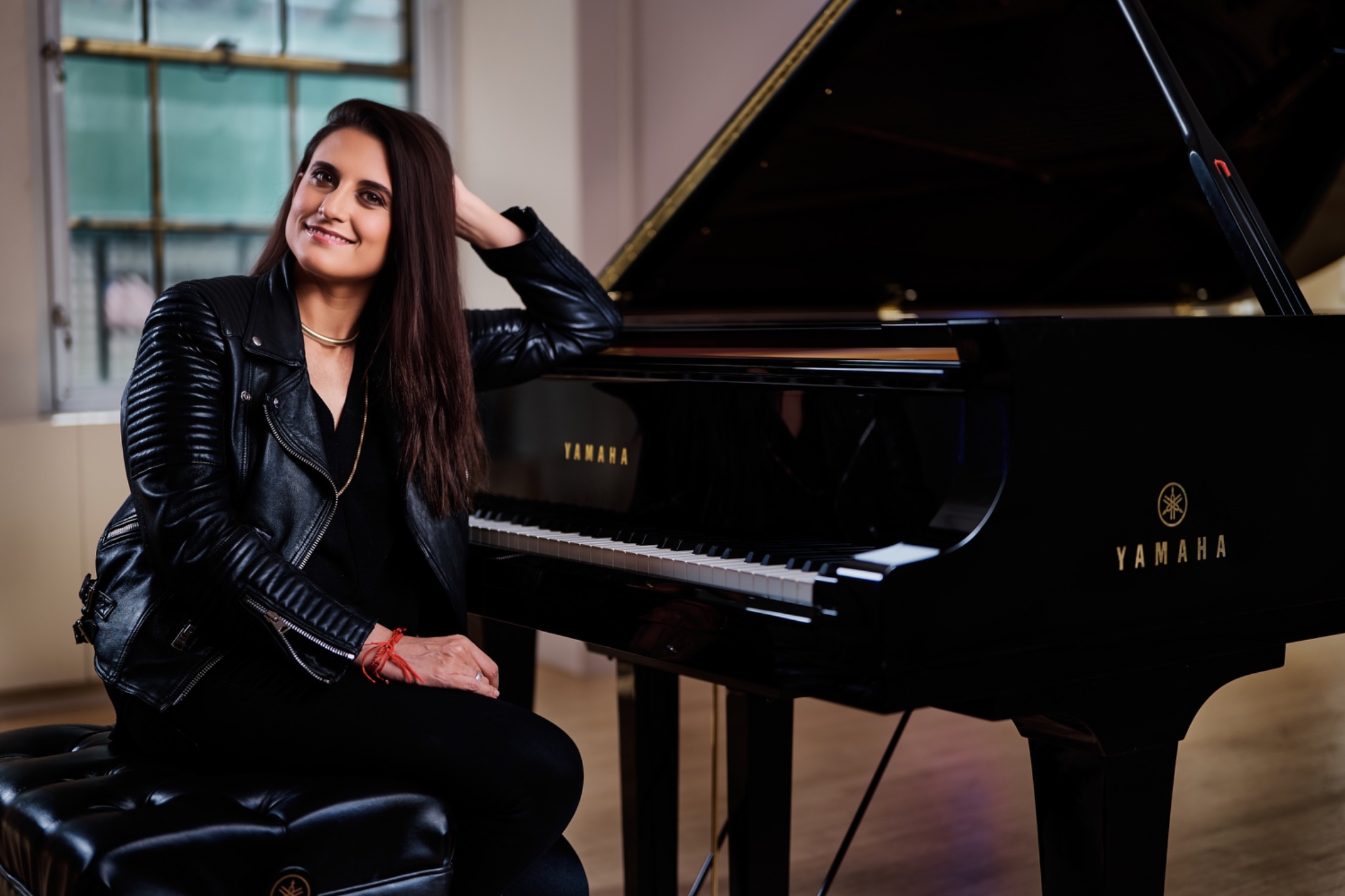
Study with Natalie Tenenbaum, a Juilliard-trained pianist, composer and Broadway music director who brings technique, improvisation and arranging together in her own work—and teaches you how to connect them in yours.
I’M READY TO MAKE MUSIC THAT’S MINE →The Complete Piano Method · $1,997 · Start right away
Your video goes here.
See the musical freedom you’re working toward.




You sit down to practice and return to what you already know. You can get through the piece—but the freedom you hear in other musicians’ playing still feels like something you can’t quite access.
Your fingers can do more than your playing seems to express. Another exercise doesn’t tell you how to bridge that gap.
You want to improvise, reharmonize or arrange a song—but you keep reaching for the same familiar choices.
An arrangement stays half-written. A recording gets postponed. You’re never quite sure what to practice next—or when the work is ready to be heard.
You don’t want another folder of lessons. You want to sit at the piano and know how to turn an idea into something you can actually play.
Technique, theory, improvisation and arranging can all be valuable on their own. But when you learn them separately, you’re left to figure out how they become music together.
You work on scales. Learn a voicing. Watch an improvisation lesson. Then sit down to arrange a song—and wonder where any of it fits.
The movement you practice helps you voice a phrase. The sound you transcribe gives you an idea. That idea becomes an improvisation, an arrangement, and a performance you can record.
The question changes from “What else should I learn?” to “How can I use what I’m learning in the music I want to play?”
That’s the connection at the heart of The Complete Piano Method. You work through six linked areas over 14 weeks, with assignments that ask you to use the skills in your own music.
Build control and efficient movement, then put that control into phrasing, voicing and the sound you want.
Explore melody, harmony and rhythm so you can respond to an idea instead of needing every note written down.
Listen closely to music you love, work out what makes it compelling, and bring those sounds into your own playing.
Combine those choices into a complete arrangement: harmony, texture, structure and a voice that feels like yours.
Prepare the work to be heard. Practice carrying your musical choices into a complete, expressive performance.
Capture what you’ve built. Learn a repeatable way to finish, record and share—or keep a record of your own progress.
You revisit the connections as the work develops. A technical obstacle in an arrangement becomes something specific to practice. A sound you hear becomes something to explore. Your practice has a musical reason.
“Thought this was going to be like a piano technique class… But what this turned out to be was this whole growth as an artist.”Hear this moment · 2:07 ↗
“I just felt incredibly comfortable and confident in that moment. Just wow… how far I’ve come.”Hear this moment · 3:50 ↗
Student video interview excerpts, shortened for readability. Individual experiences vary.
Natalie’s work moves between concert piano, original arrangements, Broadway, composition and live performance with technology. Here, those experiences become practical guidance for the music on your piano.
A private lesson or a conservatory class can offer deep training. TCPM gives you a connected path across technique and creative work, with projects that bring the disciplines together.
Videos let you see and hear the ideas. Assignments and feedback give you a place to try them in your own playing, ask questions, and learn what to change next.
Bring the phrase, arrangement or technique you’re struggling with. Natalie’s live calls and assignment feedback help you find a next step you can take back to the piano.
You know what you’re practicing and why. You can develop an idea instead of abandoning it. You’ve worked toward an arrangement that’s yours, and a recording that lets you hear how far you’ve come.
Your technique serves the music. You have more choices in harmony, texture and phrasing—and a way to keep exploring them.
Take the song, arrangement or project you’ve kept putting off and work through it with a clearer plan and feedback along the way.
Build confidence through preparation, playing for others, and recording the work. Sharing becomes a step you can practice, rather than a test you keep postponing.
“I could feel that my brain was… clicking into like a creative switch that had kind of been blocked before that.”Hear this moment · 2:31 ↗
“It’s just so much easier to actually then take action.”Hear this moment · 3:10 ↗
Student video interview excerpts, shortened for readability. Individual experiences vary.
The arrangement that once stayed unfinished. The music you weren’t ready to record. Now you’re performing it live with Natalie at Power Station at BerkleeNYC—with professional audio and video capturing the moment.
The complimentary NYC live concert + professional recording bonus ends November 30, 2026 at 11:59 p.m. Eastern—or sooner if all 50 bonus spots fill.
Participation is optional. Event dates and participation arrangements will be confirmed separately. Travel and accommodation are separate. From December 1, 2026, this experience is no longer included free with the standard program and may be offered as a paid add-on.

“In 90 days, I definitely broke through some barriers that I carried… like decades.”Hear this moment · 4:04 ↗
“I wake up more at peace with who I am as a pianist because of this… that’s a big deal for me.”Hear this moment · 4:49 ↗
Student video interview excerpts, shortened for readability. Individual experiences vary.
I’M READY TO MAKE MUSIC THAT’S MINE →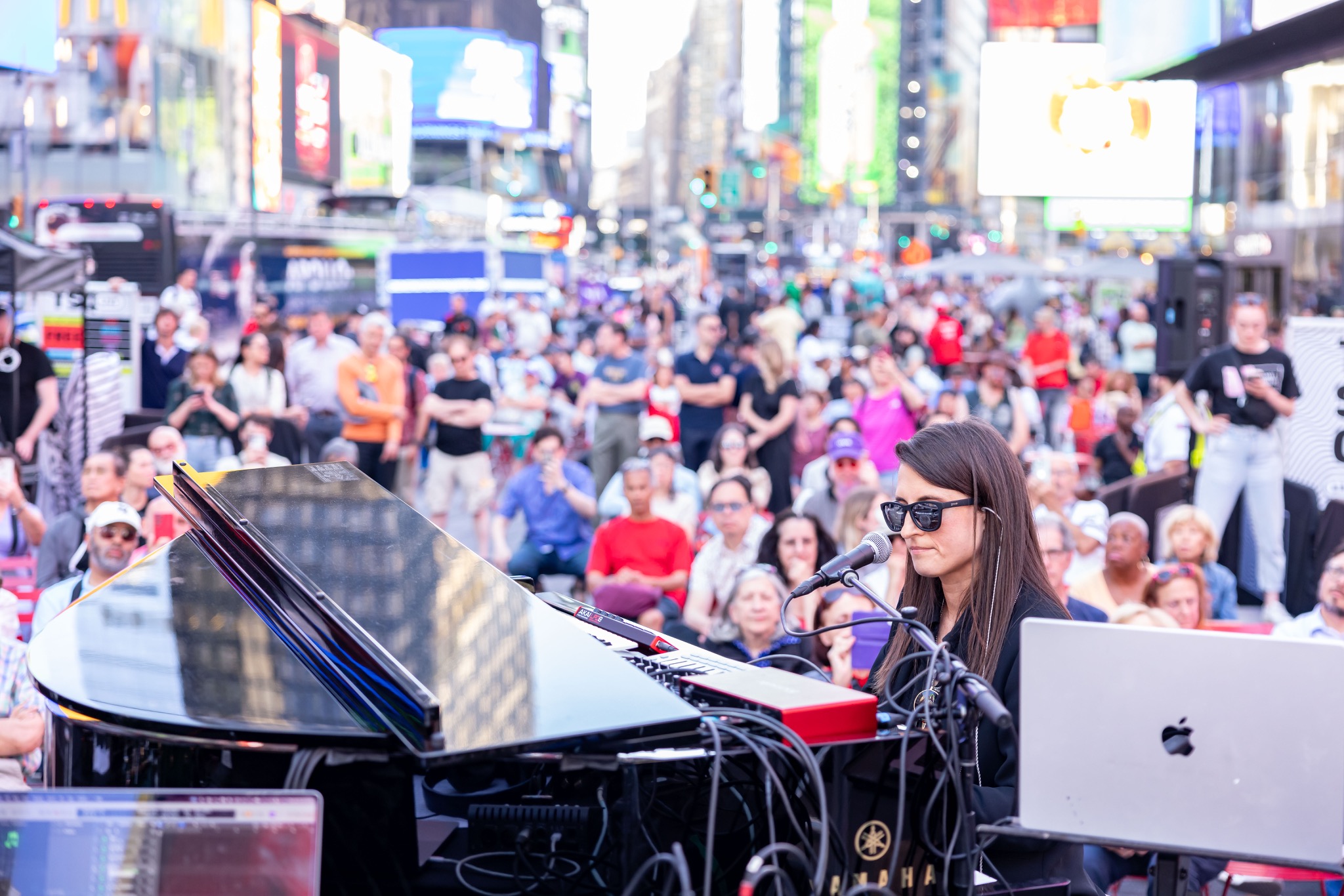
Pianist, composer, arranger and music director Natalie Tenenbaum has built a career at the intersection of elite technique, improvisation, arranging and real-world performance.
A Juilliard-trained pianist, Natalie has performed at Carnegie Hall, Lincoln Center, the Apollo Theater, Madison Square Garden and Vienna’s Musikverein, and has worked across Broadway, recording and concert stages. Her credits include The Great Gatsby on Broadway, American Utopia, vocal arrangements for Mean Girls, and arrangements and orchestrations for artists including Lang Lang and Pentatonix.
The Complete Piano Method is the system behind that versatility: a practical framework for developing the technique, harmonic freedom, arranging instincts and creative output required to become a more complete, confident musician.
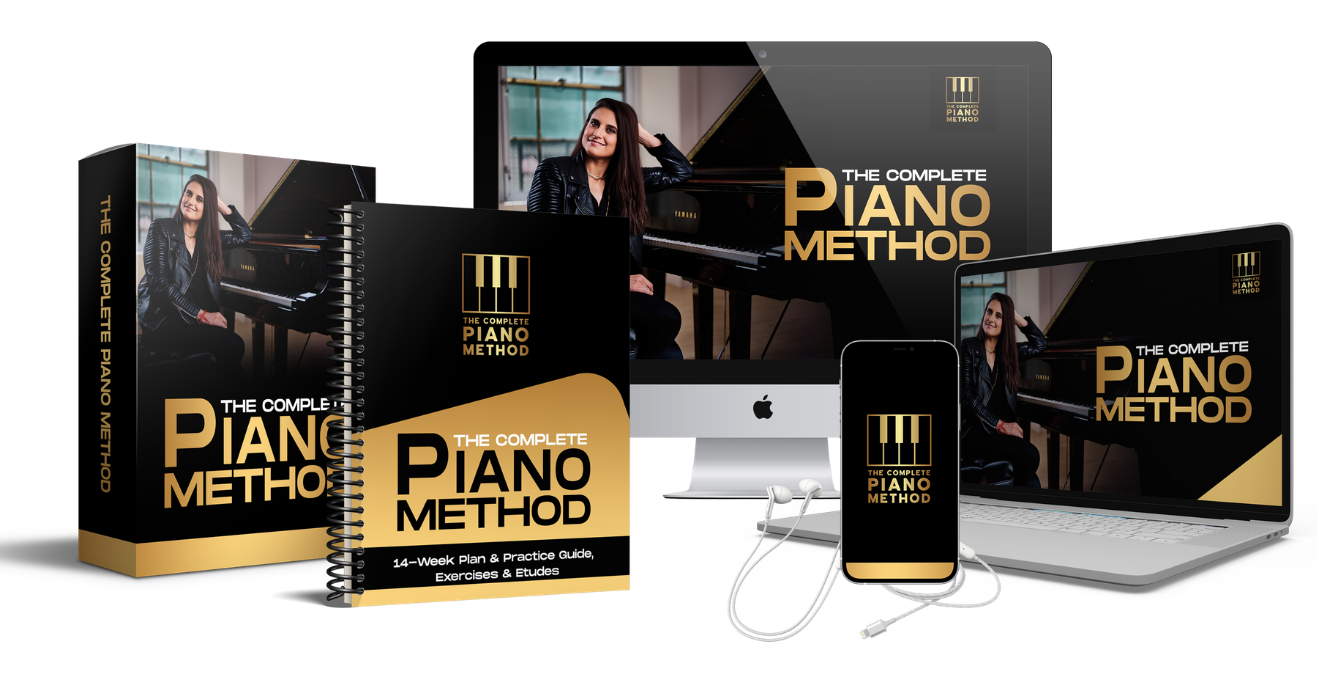
Build control and efficient movement, then put that control into phrasing, voicing and the sound you want.
Explore melody, harmony and rhythm so you can respond to an idea instead of needing every note written down.
Listen closely to music you love, work out what makes it compelling, and bring those sounds into your own playing.
Combine those choices into a complete arrangement: harmony, texture, structure and a voice that feels like yours.
Prepare the work to be heard. Practice carrying your musical choices into a complete, expressive performance.
Capture what you’ve built. Learn a repeatable way to finish, record and share—or keep a record of your own progress.
Bring the piece, arrangement or technique you’re struggling with. Ask what to change and what to practice next, so the next week at the piano has a clearer direction.
Get another set of ears on your work while it’s developing. Refine the harmony, phrasing or approach instead of getting stuck with the first version.
Keep your practice plan, assignments and progress in one place. Spend less time deciding where to begin and more time playing.
Share what you’re making, hear how other pianists approach the same ideas, and find encouragement when a project gets difficult.
Explore musical topics in more depth, ask questions, and bring fresh ideas back into your own playing.
Build a habit of finishing and documenting music. You can make recordings for yourself, a portfolio or an audience—you don’t need to become a social-media creator.
Explore how to build layers and a live performance setup when you want to take your music beyond solo acoustic piano.

Work deeper on control, coordination and efficiency, then carry the work into repertoire and performance.
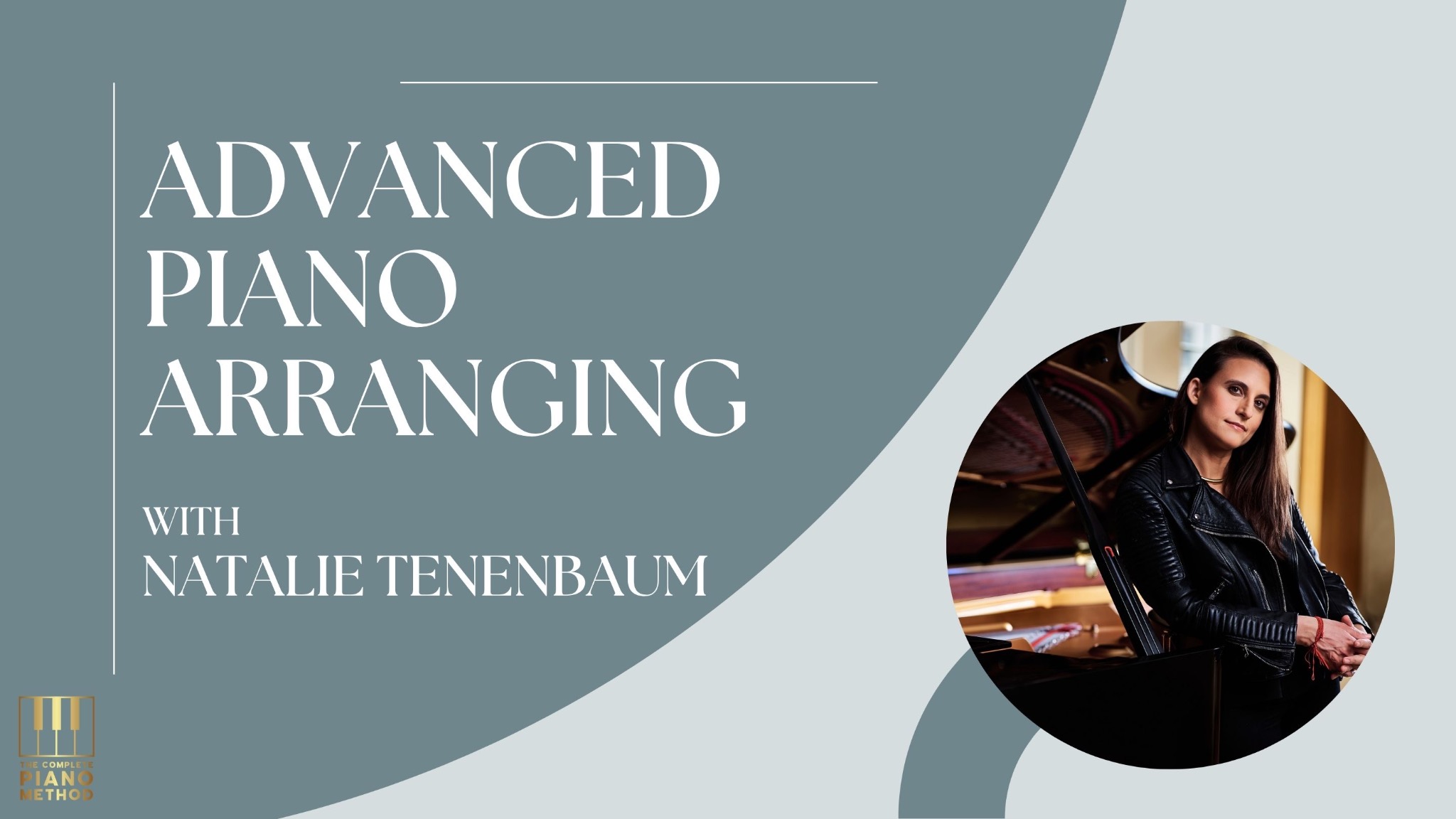
Explore harmony, voicings, texture and form so your arrangements have more range and a stronger point of view.
You could assemble private lessons, separate technique and arranging courses, a plan for your creative projects, and professional recording support. You’d still need to connect them—and decide what to work on next.
Pay for sessions and build a plan across teachers or specialties. Here, the Core Curriculum, live group calls and project feedback work toward the same musical goals.
Find advanced training, recording guidance and a way to organize your practice. Here, the two bonus courses, practice app and Ableton training are included.
Arrange studio time, audio and video production separately. The optional NYC experience is included free with eligible standard-program enrollment before the bonus deadline.
The Complete Piano Method brings the curriculum, creative practice and support together for $1,997. Choose it for the connection between the parts—and the music you want to make with them.
Follow the connected 14-week method, develop your own music, and get direction through group calls and feedback.
Pay in full, or 4 monthly payments of $499.25
Total on payment plan: $1,997
Start right away · 7-day unconditional refund
Apply the same method to your specific playing, arrangements and projects with private guidance from Natalie.
Pay in full, or 5 monthly payments of $1,300
Total on payment plan: $6,500
Application required · Limited private places
7-day unconditional refund after enrollment
Your 7-day refund is unconditional. Explore the lessons and get a feel for the approach. If you decide it isn’t the right fit, send a written refund request through your program support contact within 7 calendar days of enrollment.
No assignments, attendance requirements or proof of practice needed. Payments already made will be refunded and any remaining installments canceled. This applies to both The Complete Piano Method and Inner Circle.
TCPM is designed for intermediate to advanced pianists who can already play music at the piano and want to expand their technique and creative freedom. You don’t need to be confident in improvisation or arranging—that’s part of what you’ll study. If you’re a complete beginner, this isn’t the starting point.
Yes. The important starting point is your playing level and interest in developing your musicianship. Serious amateur pianists can work toward the same creative goals alongside working musicians.
That is one of the gaps the method addresses. You’ll work on connecting your existing control to melodic, harmonic and rhythmic choices without relying on a fully written score.
You don’t need to become a social-media creator. Recording helps you hear your progress and finish musical work. You can keep those recordings private, use them in a portfolio, or share them when you want to.
Plan to make regular time at the piano and time for the assignments. The amount depends on your starting point and project. Short, focused sessions can support progress; more ambitious arrangements need additional work. Bring your schedule to the calls so you can choose realistic next steps.
You need access to a piano or keyboard and a way to watch the lessons and join online calls. A phone can be a practical starting point for documenting your playing. The Ableton live-looping training requires Ableton Live and a compatible setup; software and equipment purchases are separate.
The course explores technique, harmony, rhythm, listening and arranging—skills you can bring into classical, jazz, pop and your own original music. Your repertoire and projects give you a place to apply them.
You can use TCPM alongside private lessons. It adds a connected path through creative skills and projects that you can also discuss with your teacher.
Live online group sessions are recorded so you can catch up. You can keep working through the recorded curriculum on your own schedule.
Live calls, feedback, community, workshops and app support run throughout the program. You keep lifetime access to the recorded Core Curriculum, including all future additions to it, and the recorded advanced bonus courses.
Standard-program enrollment includes the optional free NYC live concert and professional audio/video recording bonus if you enroll by November 30, 2026 at 11:59 p.m. Eastern, or before all 50 bonus spots fill. Dates and participation arrangements are confirmed separately; travel and accommodation are separate. Inner Circle includes three NYC recording opportunities, independent of that deadline.
Send a written refund request through your program support contact within 7 calendar days of enrollment. The refund is unconditional: no assignment submissions or attendance requirements. Payments made are refunded and remaining installments canceled.
Connect your technique to your ideas. Develop the ideas into your own work. Get guidance while you do it.
I’M READY TO MAKE MUSIC THAT’S MINE →The Complete Piano Method · $1,997 · 7-day unconditional refund
 © 2026 The Complete Piano Method